Recipes you can repeat
Measured ratios, water temperatures, and steeping times we have tested at the bench, written so a first attempt tastes close to ours.
We write down what happens when dried leaves, petals, and roots meet hot water. Every recipe on this site is a tasting note, not a treatment — just honest flavour, aroma, and ritual you can recreate at your own kitchen bench.
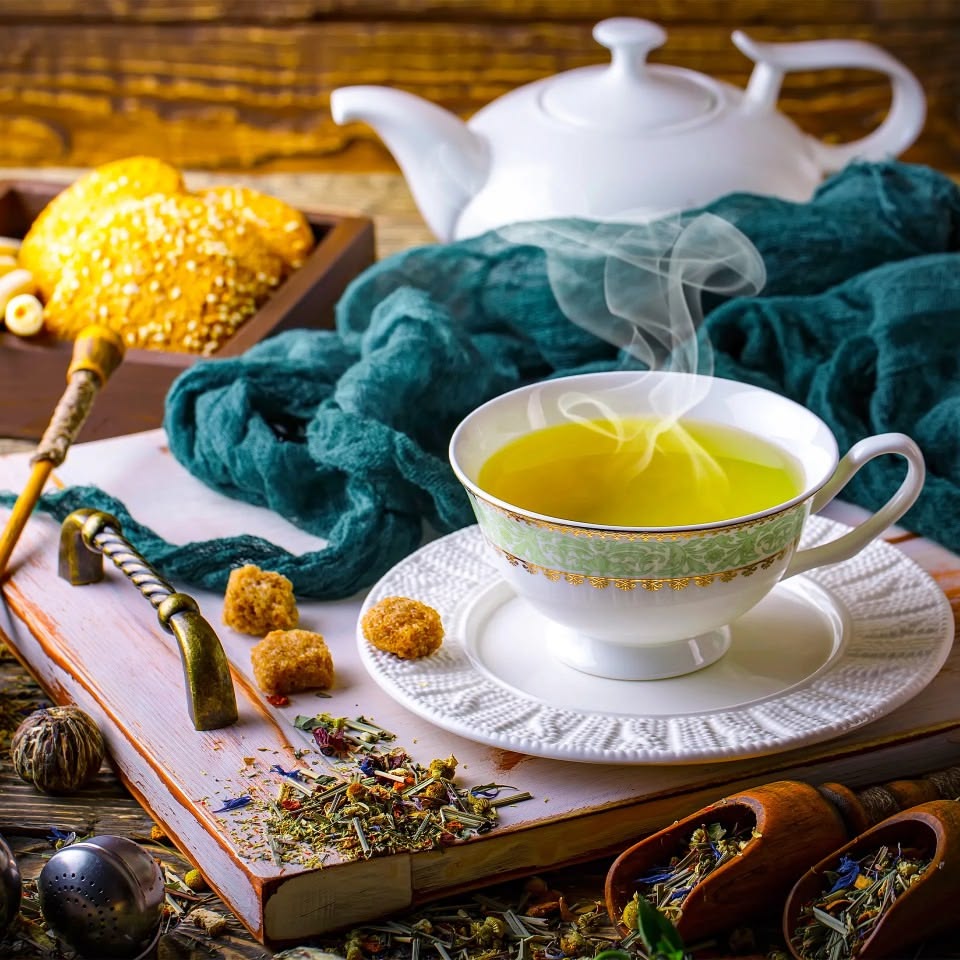
Three threads run through everything we publish. None of them involve health promises — only flavour, craft, and clear writing you can trust.
Measured ratios, water temperatures, and steeping times we have tested at the bench, written so a first attempt tastes close to ours.
Where each leaf or petal comes from, how it smells dry and wet, and which flavours it tends to sit beside in a cup.
Questions arrive from readers every week. We answer them in everyday language and point to sources when a topic sits outside our lane.
We describe the flavour we are chasing in words first — bright and citrus-forward, or round and malty — before touching a single leaf.
Ratios shift gram by gram across several sittings. Water temperature and steeping minutes are logged each round.
A colleague tastes the result blind and writes their own note. Disagreements send us back to the kettle.
Only when the cup is repeatable do we write it up, alongside ingredient sources and an honest description of the taste.
Short descriptions of flavour and aroma. Full method, ratios, and timing live on the recipes page.
Morning bench
A garden-fresh infusion served over ice. Grassy lemon balm meets cool spearmint for an easy, lightly sweet glass.
Late evening
Soft, round, and faintly sweet without sugar. A cup we like with a book and no particular plans.
Afternoon
Tart and ruby-coloured, with an apple-skin finish. Pleasant hot, excellent poured over plenty of ice.
Cool weather
Warm, woody, and gently spiced. A caffeine-free option that holds up well with a splash of oat milk.
This month we have been steeping roasted barley with a small handful of chamomile, then letting it cool to room temperature. The result is nutty, comforting, and naturally caffeine-free — a recipe written purely for the pleasure of the cup.
Read the full methodWe follow a simple framework so readers always know who is writing and where information comes from.
Every recipe reflects cups we have actually made and tasted, not text gathered from elsewhere and reworded.
We write confidently about flavour and brewing. For anything beyond that, we link to qualified, independent sources.
Our studio, address, and contact details are published openly so readers know exactly who stands behind the words.
This is general lifestyle content about taste and ritual. It is not advice, and it never claims an outcome for your body.
No. Everything here is written for flavour and enjoyment. We describe how a cup tastes and smells, and we never suggest a drink will change a medical condition.
Mostly from Australian dried-herb suppliers and a few specialty importers. Each ingredient guide names the type of supplier and notes seasonal availability.
Please do. Use the contact form and tell us the flavour you are chasing. We read every message, though we cannot test every suggestion.
The journal itself is free to read. We occasionally offer paid educational guides; those are clearly labelled and covered by our refund policy.
Send a note through the contact page. We enjoy hearing which combinations readers are curious about, and many of our published recipes started exactly that way.